Facioscapulohumeral muscular dystrophy (FSHD) is a genetic muscle disorder causi...See More
Aug 25, 2026
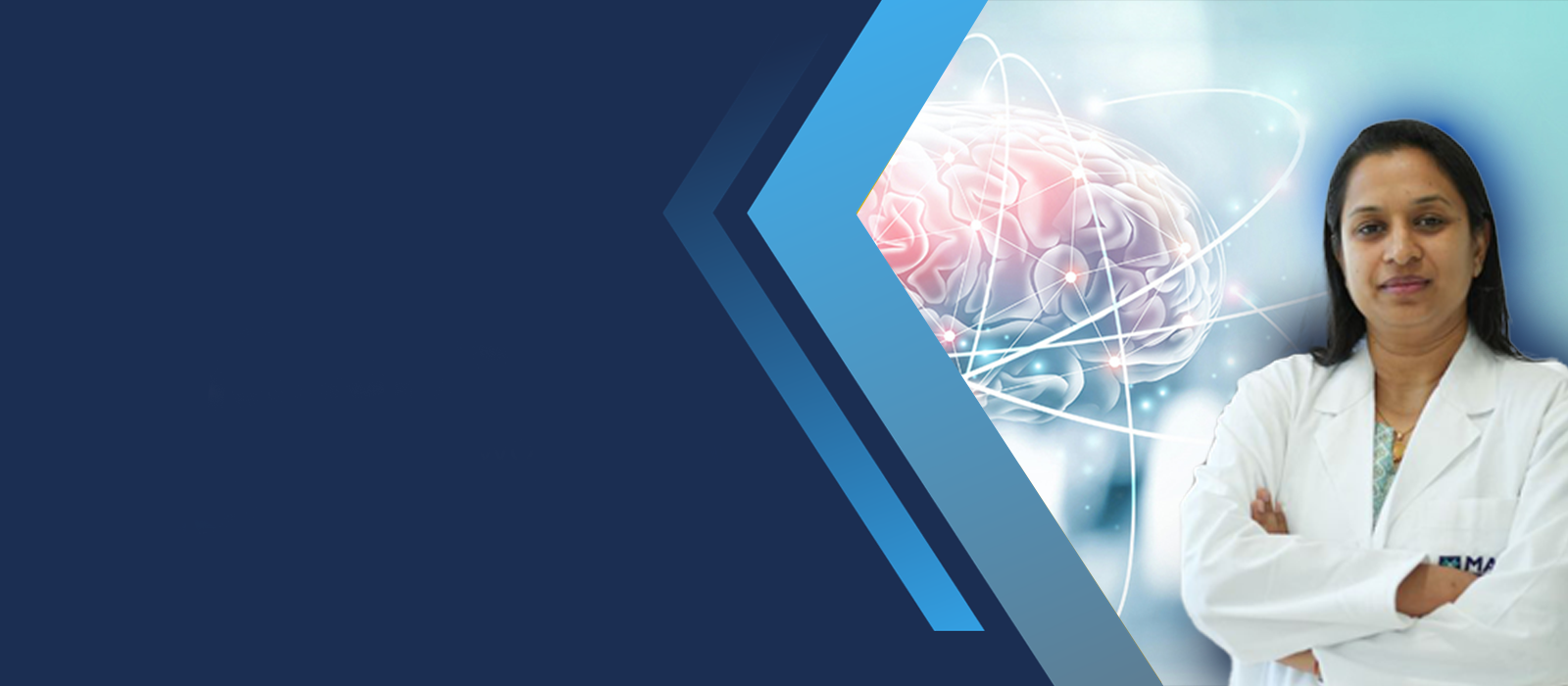
Focused treatment for brain, spine, and movement disorders
Specialized care for tremors, dystonia, and Parkinson’s disease
Personalized therapies for gait issues, tics, and myoclonus

Expert in advanced therapies for movement-related conditions
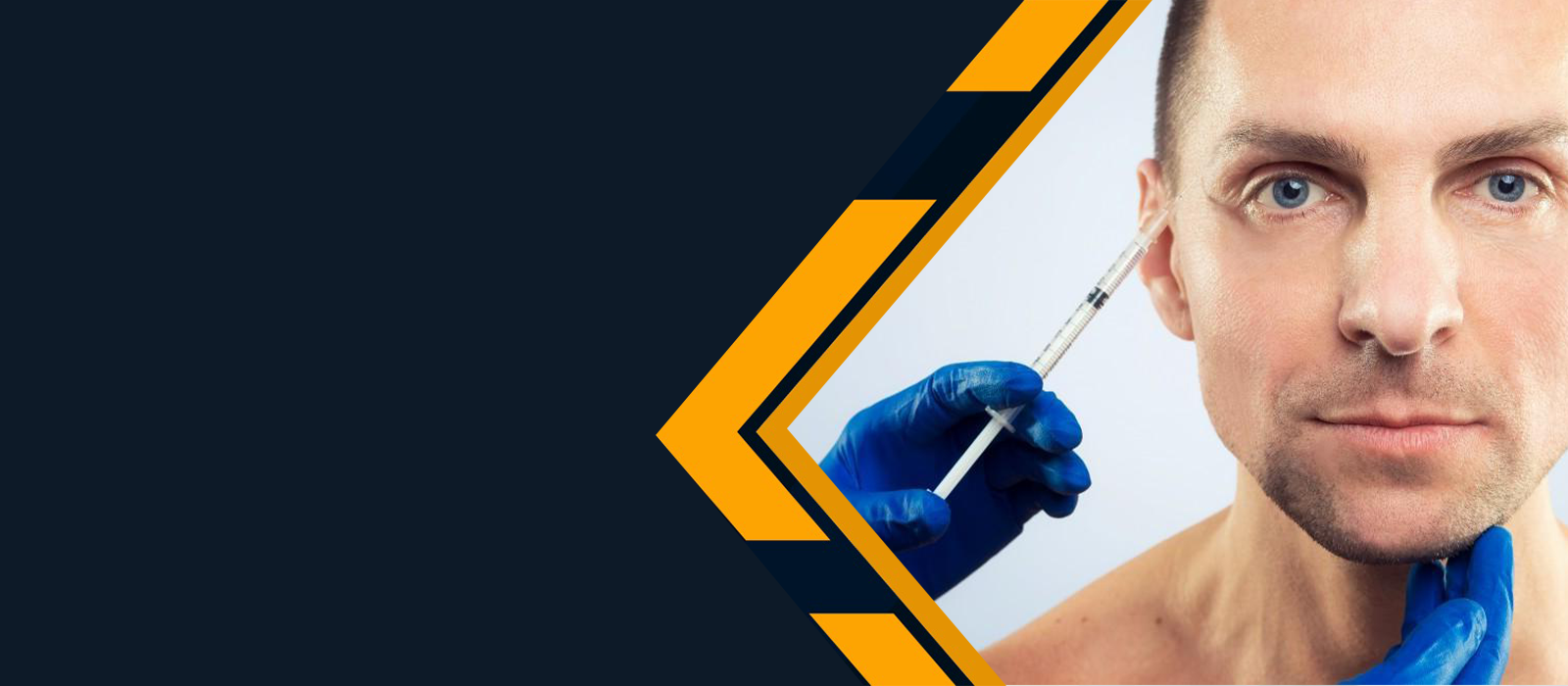
Evidence-based approach to complex neurological conditions
.png)
.png)
.png)
.png)
.png)
About Us
Years of Experience
Botox Injections Administered
Diagnostic Neurology Procedures Done
Happy Patients



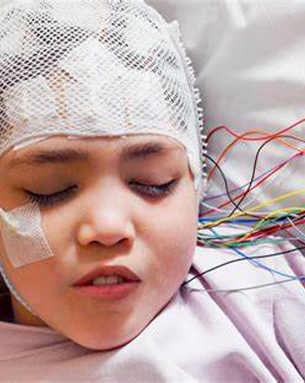
Stay informed with our latest updates, posts, announcements, and healthcare news
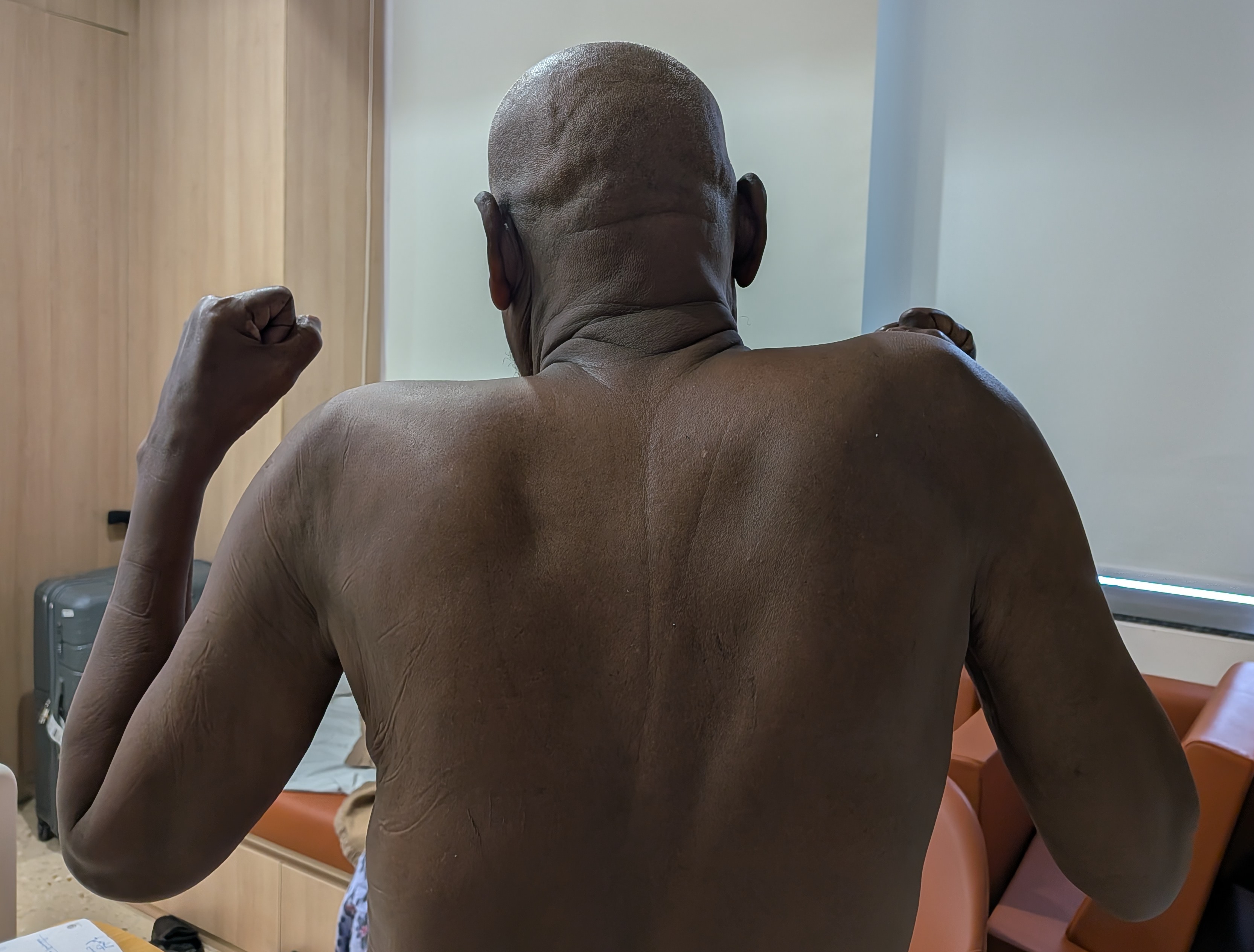
Facioscapulohumeral muscular dystrophy (FSHD) is a genetic muscle disorder causi...See More
Aug 25, 2026
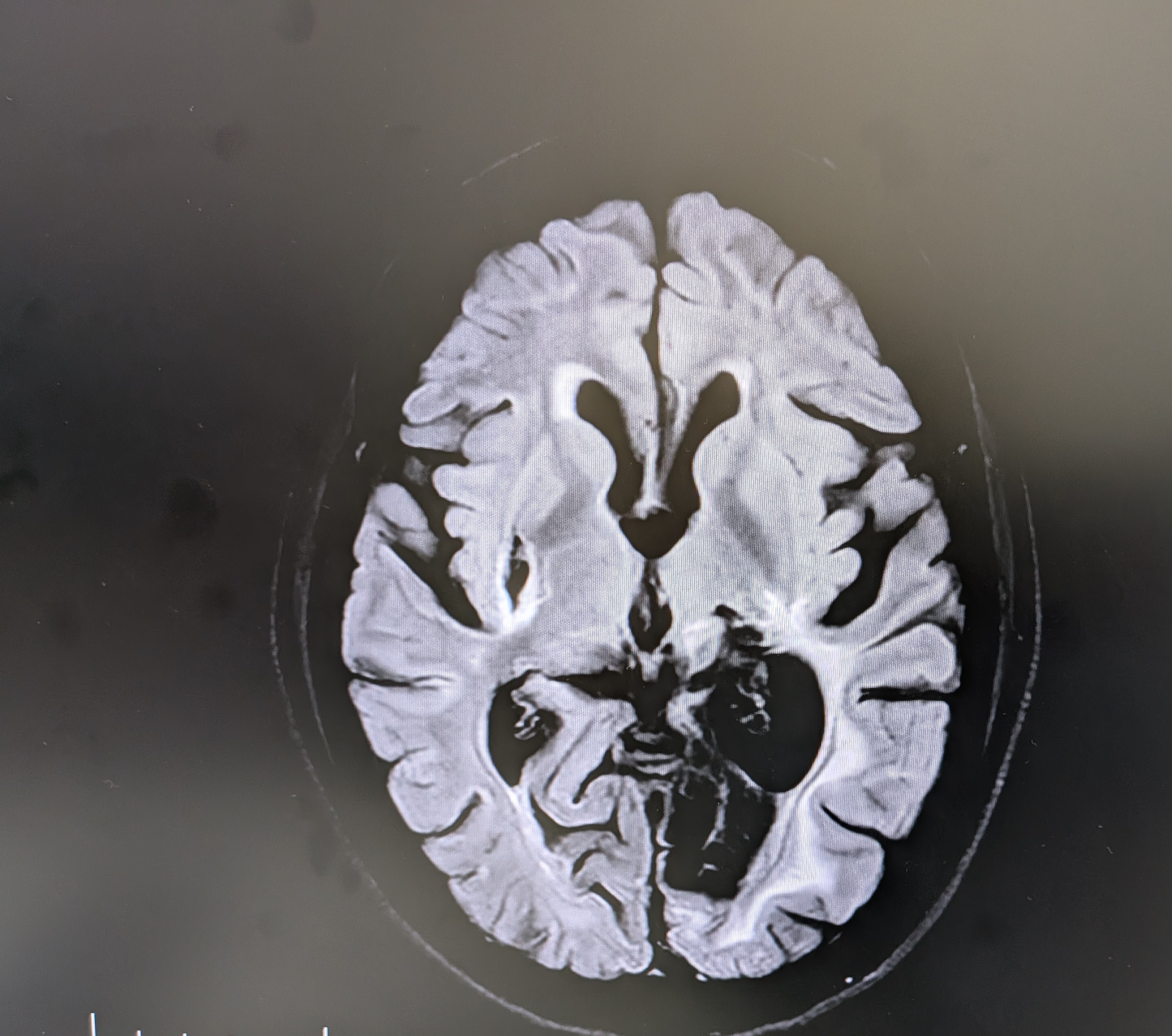
Post-stroke hemichorea is an involuntary, irregular, dance-like movement usually...See More
Aug 25, 2026
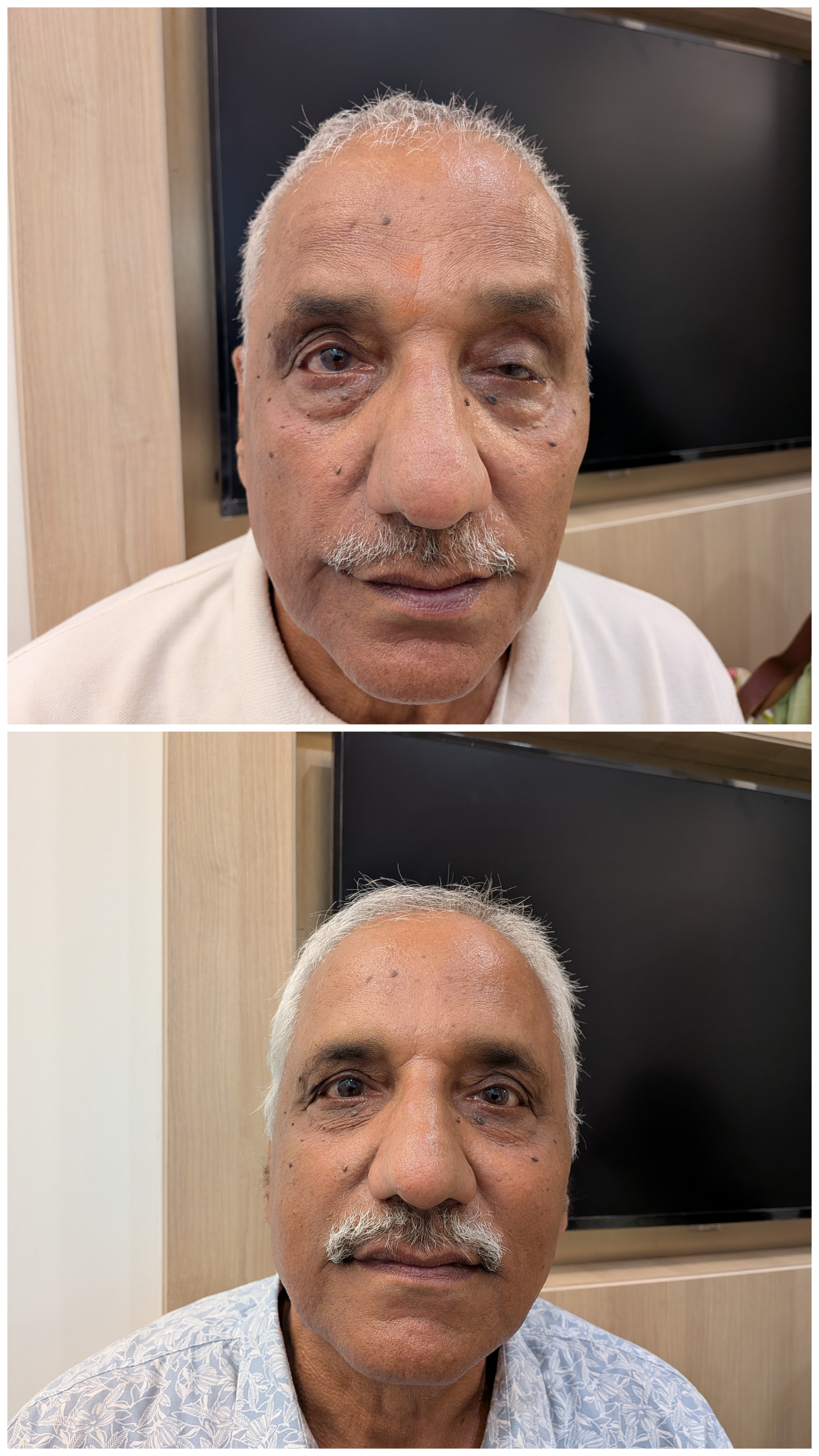
Myasthenia gravis is an autoimmune disease that causes muscle weakness that wors...See More
Aug 25, 2026
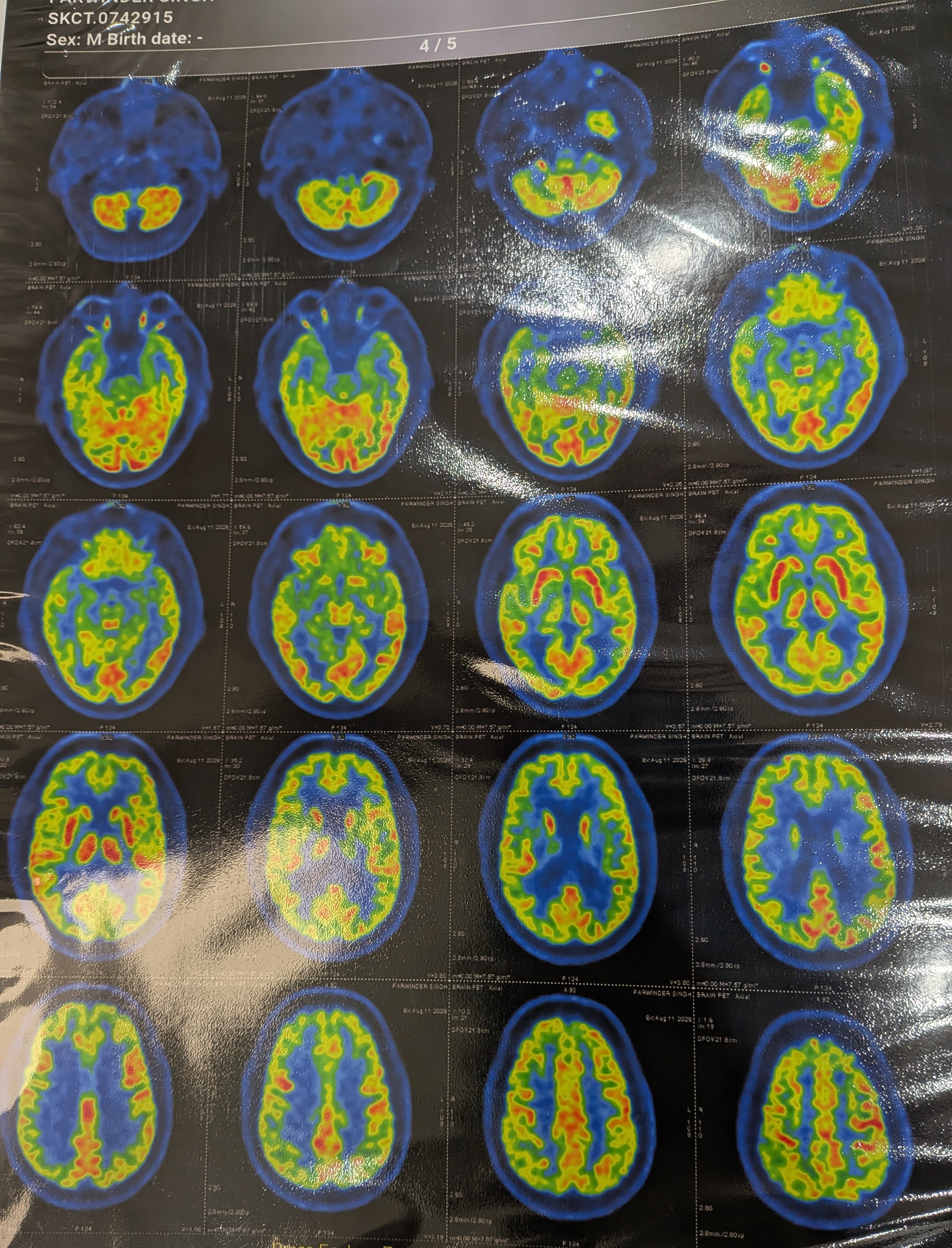
Amphiphysin-positive stiff person syndrome can present atypically with dystonia ...See More
Aug 25, 2026
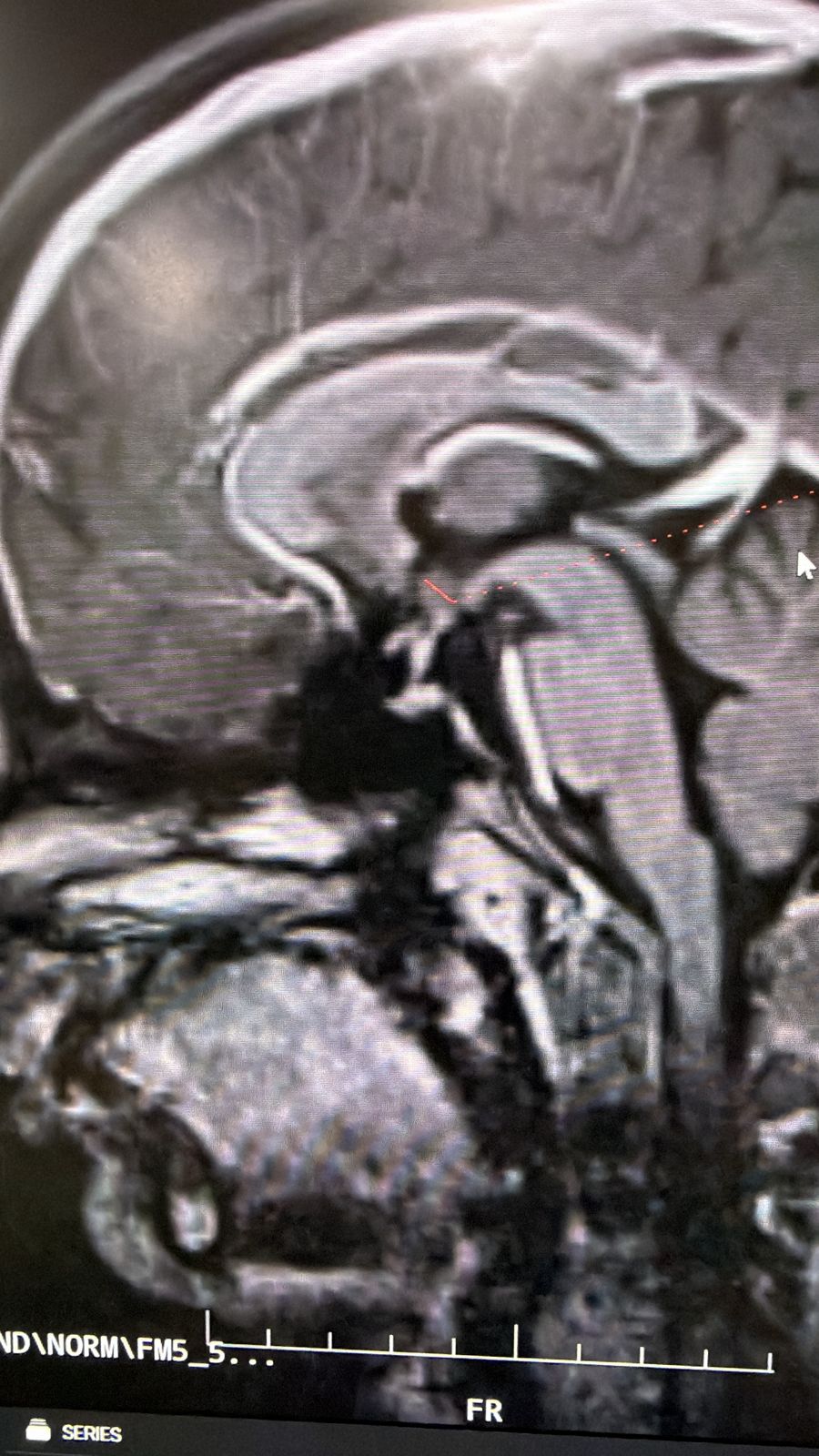
Hypothalamic hamartoma is a rare, benign congenital lesion in the hypothalamus. ...See More
Jun 06, 2026
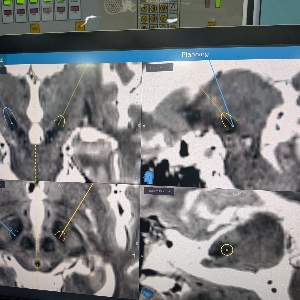
Deep brain stimulation (DBS) is a treatment for Parkinson’s when medicines no lo...See More
Apr 15, 2026
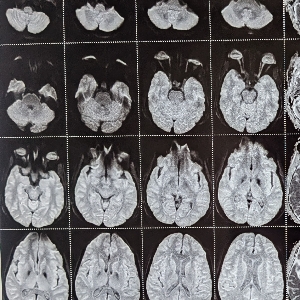
Fahr disease (primary familial brain calcification) is a rare neurologic disorde...See More
Apr 11, 2026
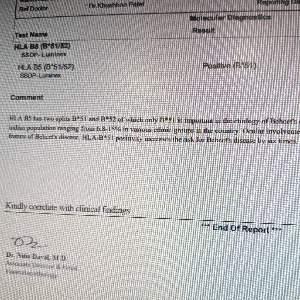
Neuro-Behçet syndrome is a rare inflammatory cause of recurrent stroke in young ...See More
Mar 27, 2026
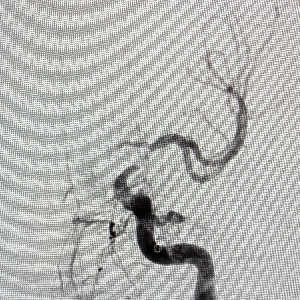
Acute stroke with carotid stenosis typically requires urgent medical attention. ...See More
Feb 11, 2026
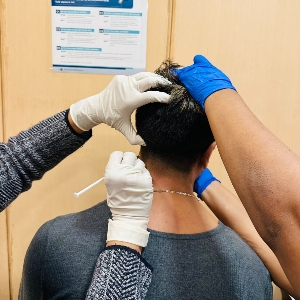
Botox is an effective treatment for cervical dystonia, a condition characterized...See More
Jan 06, 2026
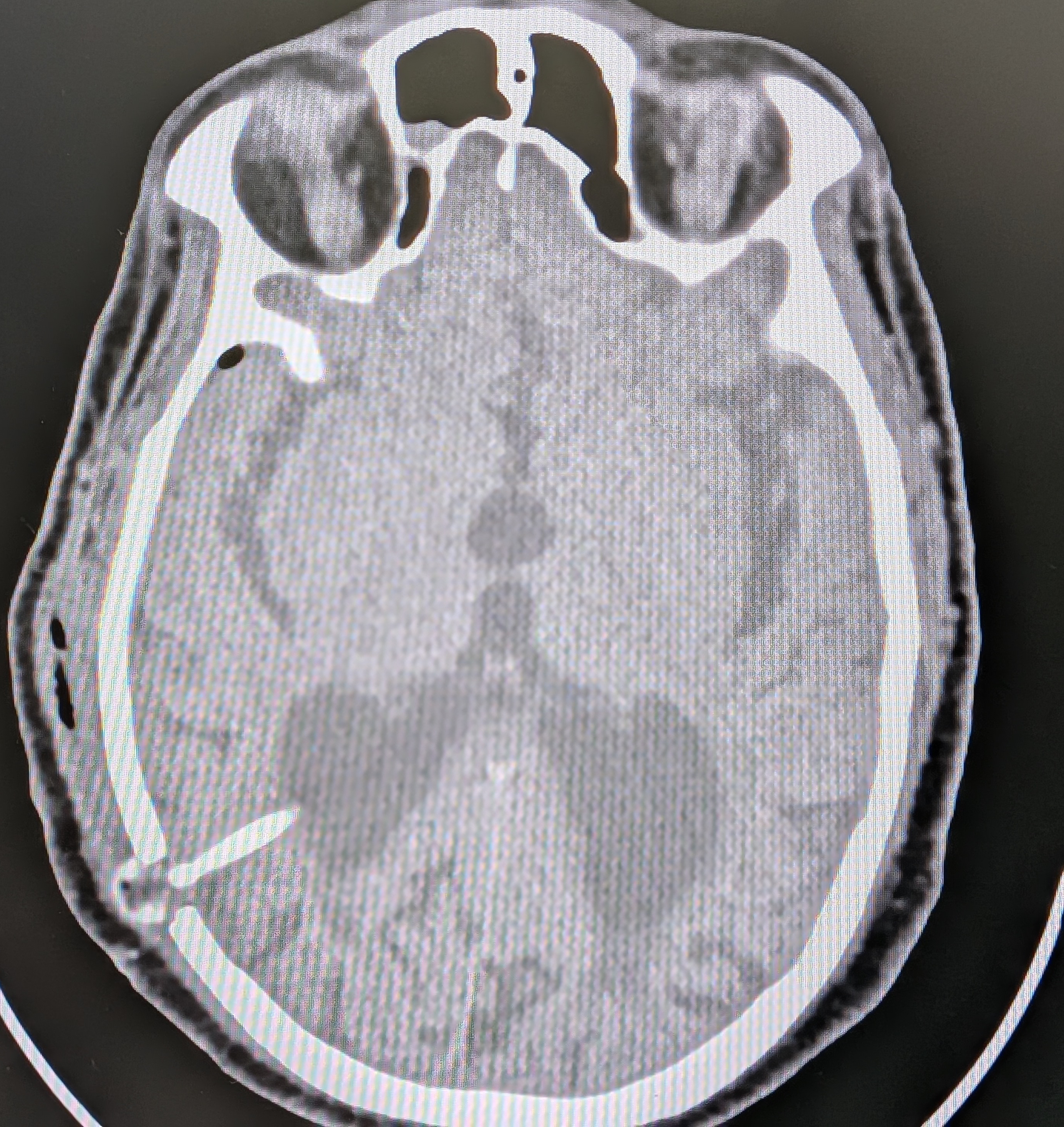
A VP shunt (ventriculoperitoneal shunt) is a common treatment for normal pressur...See More
Jun 06, 2026
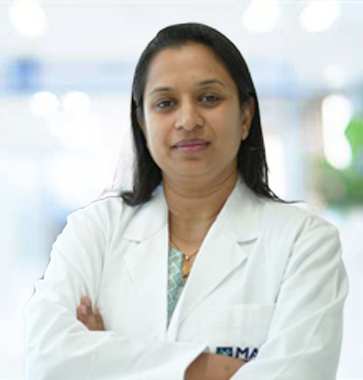
Neurologist
What our Patients says about us
Dr. Khusboo patel is an excellent physician. She took the time to clearly explain my diagnosis andTreatment Plan, ensuring I understood all the steps involved, which significantly reduced my anxiety. I felt genuinely heard and respected during the entire appointment. "Highly recommended.

Our Latest Videos
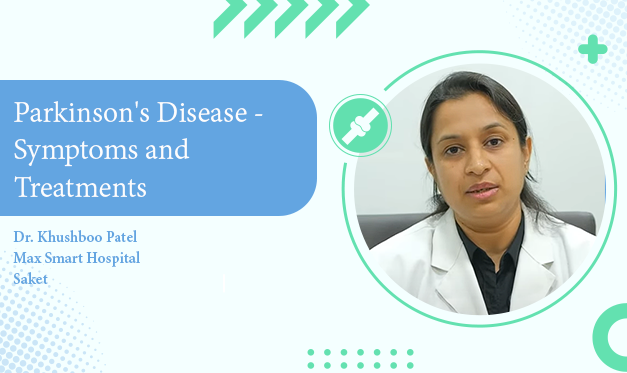

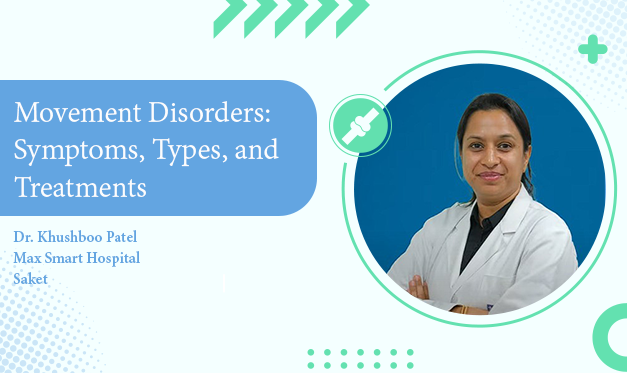
Need Answers? Find them here...
Dr. Khushboo Patel is a highly accomplished neurologist specializing in movement disorders and diagnostic neurology. She has extensive experience in clinical practice, teaching, and research, and is skilled in diagnosing and managing complex cases. Her expertise includes advanced therapeutic interventions like botulinum toxin (Botox) injections and Deep Brain Stimulation (DBS). She also has considerable experience in neurointensive care, neurodiagnostic procedures, and a special interest in pediatric neurology and neuro-rehabilitation.
Dr. Khushboo Patel is currently associated with Max Healthcare and serves as a Consultant Neurologist at Kailash Hospital, Noida. She has previously held significant positions, including Associate Consultant at KIMS, Thiruvananthapuram, and Assistant Professor in the Department of Neurology at NIMHANS, Bangalore, one of India’s leading neuroscience institutes. Her diverse roles have contributed to her extensive expertise and have been pivotal in her contributions to the field through over 40 research publications.
Movement disorders refer to a group of nervous system conditions that cause abnormal voluntary or involuntary movements. These can include tremors, muscle rigidity, or gait problems. Conditions like Parkinson's disease, Huntington's disease, and dystonia fall under this category. Early diagnosis and treatment are crucial in managing symptoms effectively, often requiring a specialized movement disorder neurologist.
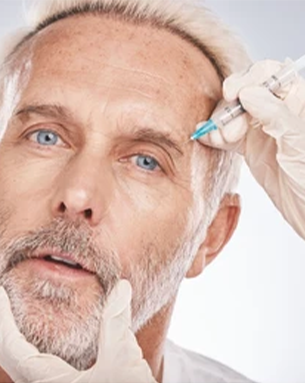
Botox injections are used to treat certain movement disorders by temporarily paralyzing overactive muscles. This can help reduce symptoms such as muscle stiffness, spasms, or involuntary movements. Conditions like cervical dystonia or blepharospasm may benefit from Botox treatment, offering relief and improved quality of life. A neurologist specializing in movement disorders can determine if Botox is a suitable option.
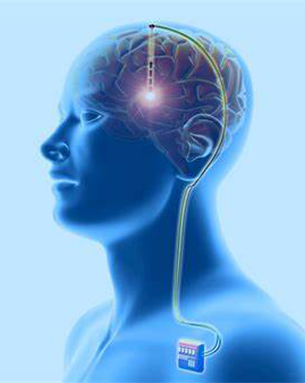
Deep Brain Stimulation (DBS) is a surgical treatment for movement disorders like Parkinson's disease. It involves implanting electrodes in specific brain areas, such as the subthalamic nucleus (STN) or globus pallidus internus (GPi). DBS helps modulate abnormal brain signals, improving symptoms like tremor and rigidity. It's often recommended when medications are ineffective. A neurologist can assess if DBS is a suitable option.
Baclofen Pump Therapy is a treatment for severe spasticity in movement disorders. It involves surgically implanting a pump that delivers baclofen, a muscle relaxant, directly into the spinal fluid. This precise delivery helps manage symptoms more effectively with fewer side effects than oral medication. People with conditions like multiple sclerosis or spinal cord injury may benefit from this therapy. Careful evaluation by a specialist is essential.
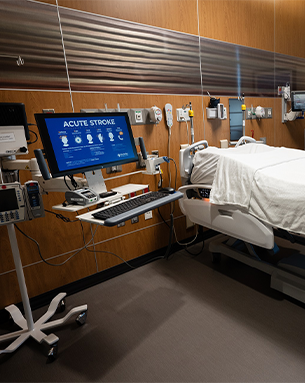
Neurointensive care is required for critically ill patients with severe neurological conditions, including those experiencing complications from movement disorders. Patients with sudden worsening of symptoms, status epilepticus, or severe complications from surgeries like DBS may need intensive monitoring and treatment. Specialized neurointensive care teams are trained to handle complex neurological emergencies, ensuring comprehensive care when necessary.
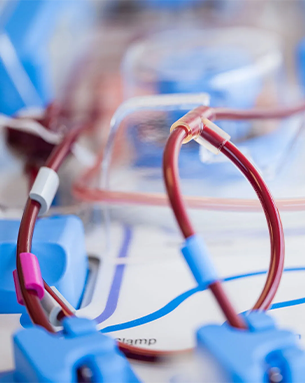
Plasma exchange, or plasmapheresis, is a procedure used in certain movement disorders to remove antibodies from the blood, potentially alleviating symptoms. It's often indicated for acute exacerbations of conditions like multiple sclerosis. A central line insertion is required for this process, allowing for efficient blood removal and return. Plasma exchange can provide significant symptom relief under careful neurological supervision.
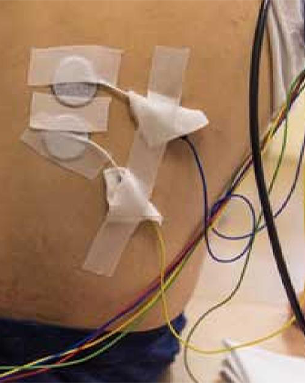
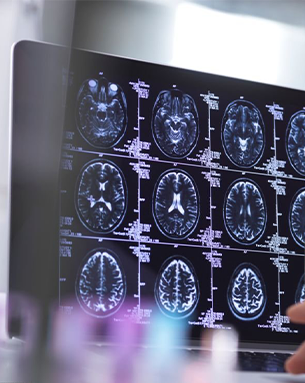
Diagnostic neurology focuses on identifying and understanding neurological conditions, including movement disorders. Neurologists use various tools like clinical evaluations, genetic testing, and imaging studies to diagnose disorders such as Parkinson’s or Huntington's disease. Accurate diagnosis is crucial for effective treatment planning and managing symptoms. A diagnostic neurologist plays a key role in guiding patients towards appropriate therapies and interventions.
Yes, children can be affected by movement disorders, which may manifest as dystonia, tics, or cerebral palsy. Pediatric neurology specializes in diagnosing and treating these conditions in children, focusing on tailored interventions for young patients. Early intervention and treatment are crucial in improving outcomes and quality of life. Pediatric neurologists work closely with families to manage symptoms and support developmental needs.
Neurorehabilitation is a therapeutic approach for improving function in individuals with movement disorders. It involves physical, occupational, and speech therapy, focusing on enhancing mobility, independence, and quality of life. Personalized rehabilitation plans help manage symptoms, prevent complications, and promote recovery. Collaboration with movement disorder specialists ensures that patients receive comprehensive, coordinated care tailored to their specific needs.
A movement disorder specialist is trained to diagnose and treat complex movements disorders, offering expert guidance in managing conditions like Parkinson's or dystonia. They employ a range of treatments, from medications to advanced therapies like DBS or Baclofen Pump Therapy. Their expertise ensures patients receive individualized care plans, symptom monitoring, and adjustments as needed, ultimately improving quality of life and long-term management outcomes.
 Address :Max Smart Super Speciality Hospital, Saket (Max Smart), Press Enclave Marg, Saket District Centre, Saket, New Delhi 110017, Delhi Address :Max Multi Speciality Centre, Panchsheel Park, N 110, Block N, Panchsheel Park North, Panchsheel Park, New Delhi 110017, Delhi Address :Aartas, Aartas ClinishareRing Rd, near Havells, Vikram Vihar, Lajpat Nagar 4, Lajpat Nagar, New Delhi,, New Delhi 110024, Delhi